Editorial Picks
10 wellness day spas across Seoul
From Guerlain Spa at The Shilla and Bisou at Four Seasons to a 24-hour jjimjilbang in Yongsan and Apgujeong-strip lymphatic-drainage studios — an editorial picks list for international visitors planning rest days and recovery days during a multi-day Seoul trip.
International visitors arriving in Seoul for medical or wellness travel almost always carry the same secondary question: where do you actually unwind between treatment days in a city this large? The honest answer is that Seoul's wellness spa scene is structurally different from its trend-driven cafe and shopping scenes. The benchmarks are split across four distinct categories: Forbes-rated hotel spas attached to the city's five-star properties, K-beauty flagship spas operated by Amorepacific (Sulwhasoo) and LG H&H (Whoo) inside hotel partnerships, traditional jjimjilbang sauna institutions that international visitors typically encounter for the first time on a Seoul trip, and Apgujeong-strip massage-recovery studios that have built a long-running following with foreign visitors via Naver Place and English-language Seoul guide coverage. Visit Korea Medical's editorial team compiled this list across two months of cross-checking against the Forbes Travel Guide spa register, the Korea Tourism Organization's official directory, the Visit Seoul attractions index, and current Naver Place activity within the last sixty days to filter out closed, relocated, or operationally irregular venues. Several names that appear on widely-shared visitor lists have been excluded because they could not be independently verified as currently operational, and we have noted address corrections where the public listings on aggregator sites diverged from the venue's actual location. For visitors planning a four-to-seven-day trip with treatment days mixed in, one to three of these will fit comfortably into the rest-day or recovery-day schedule. For the parallel luxury-hotel list (which carries the broader stay-side overview), see our luxury hotels guide. The alphabetical Featured A through J ordering below is editorial, not preference-based — we do not publish numerical rankings.
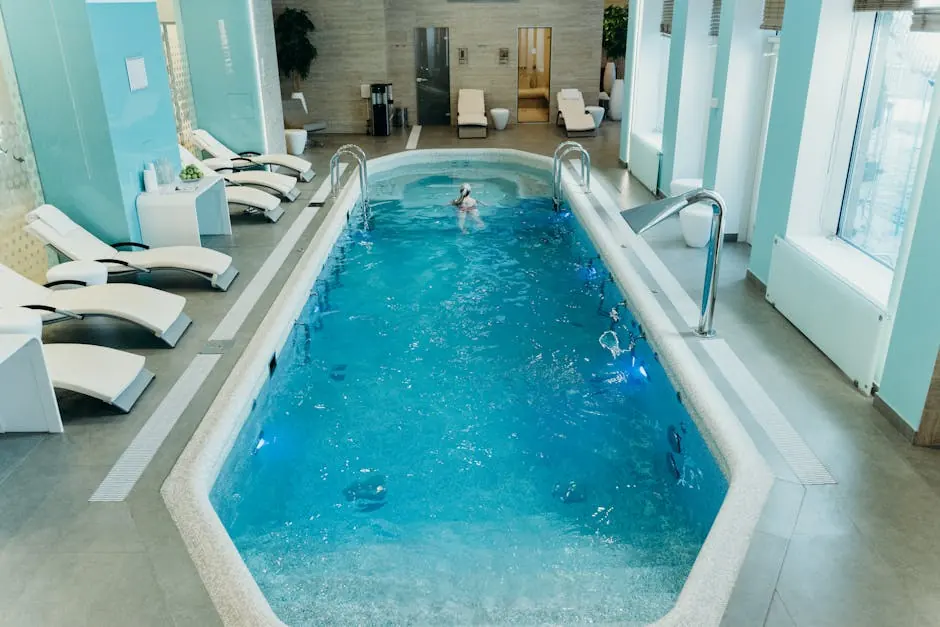
Featured A — Guerlain Spa at The Shilla Seoul (Forbes-recognised hotel spa)
Guerlain Spa at The Shilla Seoul (249 Dongho-ro, Jung-gu) is one of the longest-running Forbes Travel Guide-recognised hotel spa programmes in Korea and the canonical Guerlain partnership in Asia. The spa operates as the in-house wellness facility of The Shilla Seoul, Samsung Group's flagship Forbes five-star hotel on the Namsan-side slope of Jangchung-dong, and the partnership with Guerlain Paris carries the brand's signature facial protocols and Imperial Cleopatra programme into the Korean market. The Forbes recognition is the most established hotel-spa accolade in the Korean hospitality industry; few Korean hotel spas have held the Forbes designation continuously across multiple rating cycles, and Shilla's continuity reflects both the underlying facility standard and the consistency of the therapist team. Treatment menu structure runs from approximately KRW 350,000 for a one-hour facial to KRW 1,200,000 or more for a multi-hour signature programme combining facial, body, and massage work. The dining-spa pairing with La Yeon, Shilla's two-Michelin-star Korean hanjeongsik restaurant on the same property, is one of the most ceremonial possible day plans in the city — booking a midday hanjeongsik lunch followed by an afternoon Guerlain programme has become a recognised editorial-press itinerary for international visitors with one or two free Seoul days. The spa runs by reservation only and accepts walk-ins on a same-day availability basis; weekend bookings should be confirmed several days in advance during peak Seoul travel windows. Operating hours are 10:00 to 22:00 daily. The multilingual concierge handles English, Korean, Japanese, and Chinese as standard. For international medical-tourism visitors specifically interested in a high-touch facial or body programme on a rest day between treatments — and who are not staying at Shilla — the spa accepts external-guest bookings, although hotel-guest pricing and availability priorities apply. The Namsan-side setting and the hotel-garden pause before the spa entry add a meaningful slowing-down moment that visitors specifically cite as one of the spa's defining features.
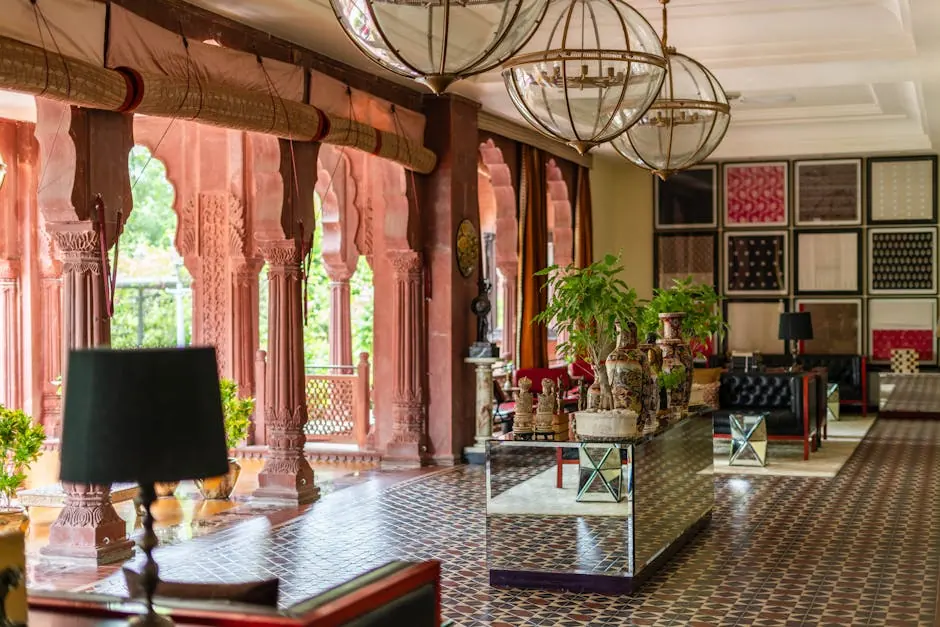
Featured B — Bisou Spa at Four Seasons Hotel Seoul (couples-suite layout in Gwanghwamun)
Bisou Spa at Four Seasons Hotel Seoul (97 Saemunan-ro, Jongno-gu) is the Four Seasons in-house spa brand applied to the Seoul property and carries the Forbes five-star standard that anchors the broader Four Seasons hotel programme. The spa is positioned in the Gwanghwamun corner of the hotel building and runs a tightly-defined menu of facial, body, and massage programmes built around the Four Seasons standard treatment vocabulary — the menu and the protocol structure will be recognisable to international visitors who have used Four Seasons spas in other cities. The distinguishing local feature is the couples-suite layout: Bisou runs a series of suites designed for two-person concurrent treatments with a private soaking tub between the treatment beds, which is unusual among Seoul hotel spas and has made the spa a recurring choice for couples and for visitors travelling with a companion who also wants a treatment slot. Operating hours are 10:00 to 22:00 daily. Treatment pricing runs from approximately KRW 350,000 for a one-hour facial up to KRW 900,000 for a multi-hour programme. The location in the Gwanghwamun cultural-business spine pairs naturally with a half-day at Gyeongbokgung Palace or the National Palace Museum of Korea before or after the spa session, and the hotel's restaurant programme (Yu Yuan one-Michelin-star Cantonese and the World's 50 Best Bars-listed Charles H speakeasy) gives an integrated dining layer on the same evening for visitors choosing the full Four Seasons day. The multilingual capability at Bisou matches the broader Four Seasons concierge standard — English, Korean, Japanese, Chinese, Spanish, French, and Arabic — which is the broadest language coverage in this category. For international visitors who want a hotel-spa experience with a recognisable global brand-quality benchmark in the central palace quarter, Bisou is the editorial recommendation in the Jongno-gu zone.
Featured C — Park Club Spa at Park Hyatt Seoul (24F sky pool with COEX view)
Park Club Spa at Park Hyatt Seoul (606 Teheran-ro, Gangnam-gu) is the canonical sky-pool spa experience in Seoul and one of the few hotel spas in Korea with a genuine urban-skyline pool rather than a courtyard pool. The spa occupies the upper floors of the Park Hyatt vertical building at Samseong Station, with the 24th-floor pool overlooking the COEX rooftop and the Bongeunsa Temple compound across the boulevard. The pool sightline is the most-photographed hotel-spa feature in Seoul and is the spa's primary distinguishing characteristic against the other hotel-spa programmes on this list. The facility runs as a membership-style club for the hotel community and the broader Gangnam professional set, with day-use access available to hotel guests and external-guest bookings via a paid day-pass programme. Operating hours are 06:00 to 22:00 daily, which is the broadest window in the hotel-spa category on this list and accommodates pre-work morning swims for the resident club members. Treatment programmes run from approximately KRW 250,000 to KRW 700,000 per session, with the upper end covering multi-hour facial-plus-body combinations. The COEX-adjacent location pairs naturally with the COEX Aquarium, the Starfield Library inside COEX, and the Bongeunsa Temple visit on the same afternoon — a combination that several international art-fair visitors (Frieze Seoul and KIAF run at COEX in early September each year) build into their schedule. For international medical-tourism visitors whose treatment clinic is in the Gangnam district, Park Club Spa is one of the few high-end day-spa options inside the immediate Teheran-ro corridor and gives the shortest commute from the eastern Gangnam clinic cluster. The minimalist Asian design language of the broader Park Hyatt property runs through the spa interior as well — natural materials, restrained lighting, and a contemplative spatial logic that contrasts with the more decorative palette of the heritage hotel spas in Jung-gu.
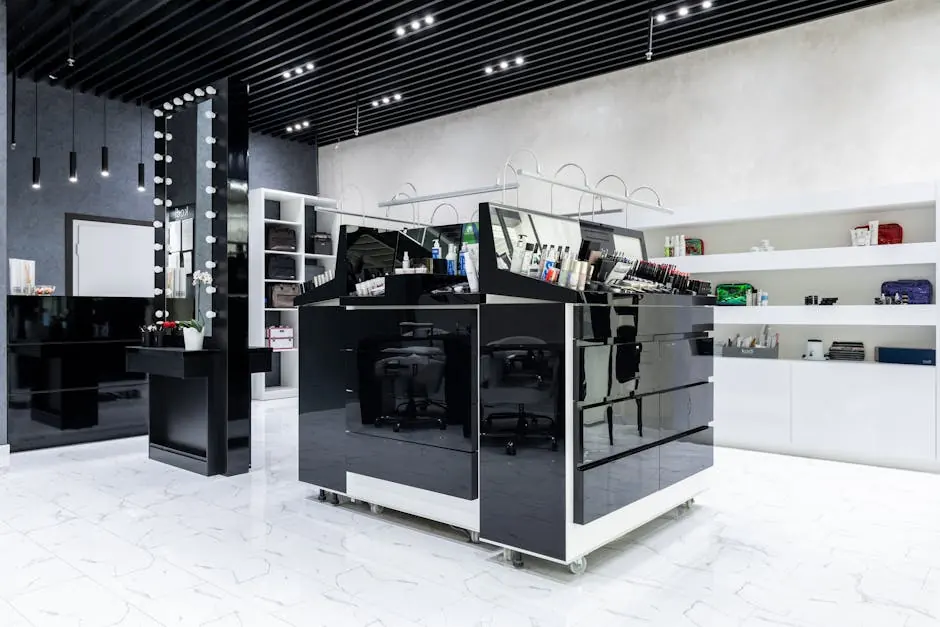
Featured D — Sulwhasoo Flagship Store Spa (Korea's premium herbal skincare flagship)
Sulwhasoo Flagship Store at 18 Dosan-daero 45-gil, Gangnam-gu, is Amorepacific's prestige K-beauty flagship and houses the Sulwhasoo Spa Premium programme — the brand's most extensive facial protocol applied in the brand's most-photographed retail and treatment building. The building itself is the Neri & Hu-designed Sulwhasoo flagship in Sinsa-dong, a five-floor architectural project that has been profiled in Architectural Digest and several international design publications; the building functions as both a retail flagship and a spa destination and is a recognised architectural destination independent of the spa booking. The Sulwhasoo Spa Premium facial programme draws on the brand's herbal skincare formulations (ginseng, white plum, jaeum, and the brand's signature ferment ingredients) applied in a 60-to-120-minute protocol by Amorepacific-trained therapists. Treatment pricing runs from approximately KRW 250,000 to KRW 700,000 depending on programme tier and duration. Operating hours are 10:30 to 19:00 with Monday closures; the limited operating window is a deliberate brand-positioning choice and means that international visitors planning a Sulwhasoo session should not schedule it for a Monday. The spa runs by reservation only, and weekend availability often books out one to two weeks in advance during peak Seoul travel windows. The flagship is in the Dosan Park strip of Apgujeong, surrounded by the Comme des Garcons flagship, the Beaker concept store, and the broader luxury fashion compound of Apgujeong Rodeo — a setting that fits naturally with a shopping-and-spa half-day plan. For international visitors who want to combine a K-beauty flagship architectural visit with a high-touch facial treatment by the brand's house therapists, Sulwhasoo is the editorial recommendation in the K-beauty flagship category. The multilingual support runs English, Korean, Japanese, and Chinese as standard. For visitors who book a Sulwhasoo session and want to extend the afternoon into the broader Apgujeong cosmetics flagship circuit, the Dosan-daero strip carries the Innisfree, Etude House, Laneige, Hera, and Iope flagships within a ten-minute walking radius.
Featured E — Whoo Spa at Westin Josun Seoul (royal-court inspired skincare)
Whoo Spa at The Westin Josun Seoul (106 Sogong-ro, Jung-gu) is the LG Household & Health Care partnership applied to one of Korea's oldest continuously operating hotel properties. The Whoo brand (Cheonghidan, Wild Ginseng Geumsan, Bichup formulations) carries an inspiration palette drawn from Joseon-era royal-court skincare records and runs treatment programmes that incorporate Korean herbal medicine references absent from the other hotel-spa programmes on this list. The setting matters: The Westin Josun has operated continuously since 1914 in the Sogong-dong corner of central Seoul, immediately adjacent to the Myeongdong shopping quarter and directly facing Seoul Plaza and the Deoksugung Palace compound on the opposite side of Sogong-ro. The hotel's continuous operating history makes it one of the oldest continuously running hospitality businesses in Korea, and the Whoo Spa partnership uses the heritage-property setting to extend the royal-court-skincare brand narrative into a physical treatment experience. Operating hours are 10:00 to 22:00 daily. Treatment pricing runs from approximately KRW 250,000 to KRW 650,000 per session. The location is in the Sogong-dong corner of the Myeongdong corridor, with Seoul City Hall and Deoksugung within a five-minute walk and the Myeongdong main shopping strip a seven-minute walk in the opposite direction; the Westin Josun's position is one of the most central five-star locations in Seoul. The multilingual concierge handles English, Korean, Japanese, and Chinese. For international medical-tourism visitors who want a hotel-spa experience with a uniquely Korean royal-court skincare narrative — and whose treatment clinic is in the central Jung-gu corridor — Whoo Spa is the editorial recommendation in this category. The Westin Josun's Marriott Bonvoy loyalty integration also means that Marriott elite-status members can access the spa programme as part of broader hotel-stay benefits.
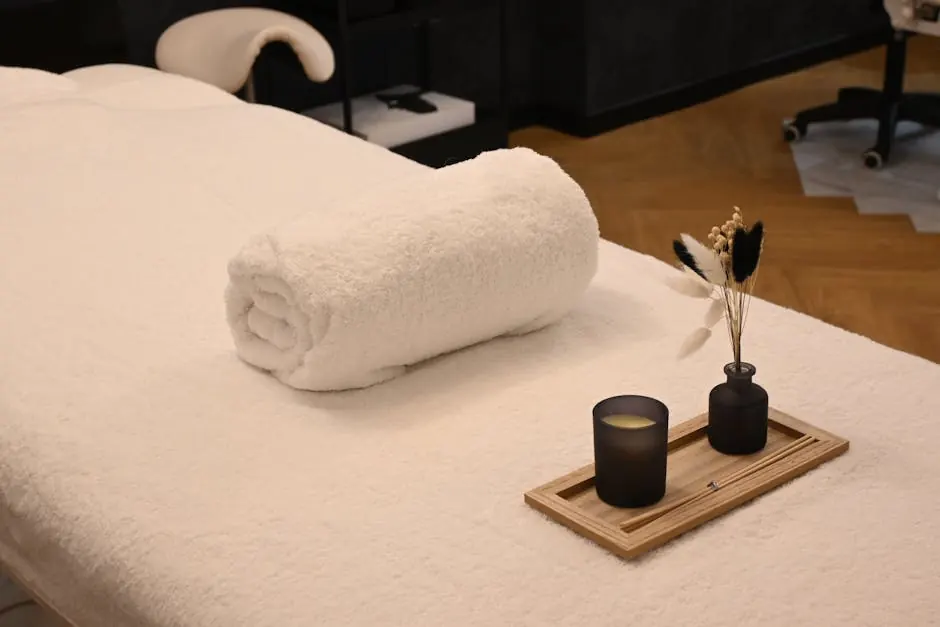
Featured F — Spa 1899 (Korean red ginseng wellness by Korea Ginseng Corporation)
Spa 1899, operated by the Korea Ginseng Corporation (KGC, the Cheong Kwan Jang ginseng brand), is the unique Korean red ginseng wellness programme in Seoul and is the only entry on this list built around a single signature Korean medicinal-herb ingredient. The KGC main spa runs from KT&G Tower B2F at 416 Yeongdong-daero, Gangnam-gu (Daechi-dong), and a satellite location operates at Hotel Skypark Central B1F in the Myeongdong corridor — visitors should confirm which location matches their itinerary before booking, as aggregator-site listings sometimes confuse the two. The Korean red ginseng programme is built around the Cheong Kwan Jang house formulations applied as topical facial and body treatments, with hot-stone and aromatherapy elements layered into the protocol. The signature programme references the 1899 founding year of the Korean government's tobacco and ginseng monopoly (which became KT&G and KGC respectively) and is one of the most distinctively Korean wellness experiences in the city — there is no direct international equivalent because no other country has built a national-level ginseng-cultivation programme with a parallel wellness application. Treatment pricing runs from approximately KRW 150,000 for an entry-level facial to KRW 400,000 for a full body-and-facial ginseng programme. Operating hours are 10:00 to 22:00 daily. The multilingual support runs English, Korean, Japanese, and Chinese as standard, and the staff can explain the Korean ginseng programme structure for visitors unfamiliar with the underlying medicinal-herb context. For international visitors who specifically want to experience a wellness programme that does not have an international equivalent — and that draws on a uniquely Korean medicinal-herb tradition — Spa 1899 is the editorial recommendation in this category.
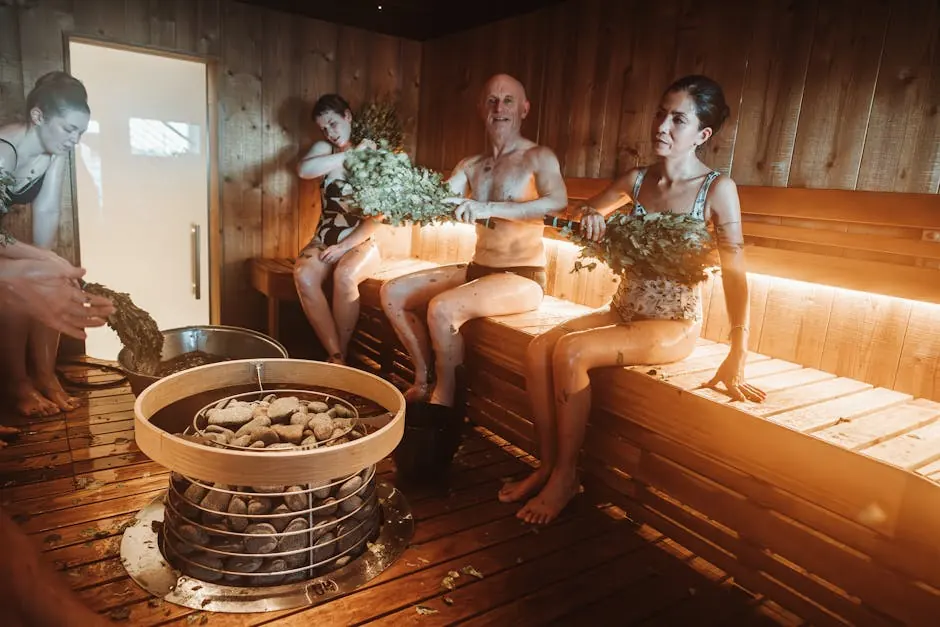
Featured G — Dragon Hill Spa & Resort (the canonical international-visitor jjimjilbang)
Dragon Hill Spa & Resort at 40 Hangang-daero 21na-gil, Yongsan-gu, is the most internationally-recognised large-scale jjimjilbang (Korean sauna and bathhouse complex) in Seoul and is the default reference point in nearly every English-language Seoul travel guide. The complex attaches directly to Yongsan Station, which is the major Seoul Metro Line 1 hub one or two stops from Seoul Station, and is therefore one of the most easily-accessible jjimjilbang options for international visitors arriving via the AREX airport-railway line from Incheon Airport. The facility runs across multiple floors with a gender-separated hot-and-cold bath section, a gender-mixed jjimjilbang sauna section with thematic rooms (charcoal, salt, jade, oxygen, cold-room), a rooftop swimming pool (seasonal), restaurants, sleeping areas for overnight stayers, and PC and game-room facilities for visitors using the property as an overnight transit base. Operating hours are 24 hours daily, which is the structural feature that differentiates jjimjilbang from hotel spas — international visitors using Dragon Hill as a transit-overnight option arriving on a late-night flight typically check in around 23:00 or midnight, sleep in the shared rest area until 06:00 or 07:00, and continue the next-day itinerary from a refreshed start. Entry pricing runs approximately KRW 15,000 to KRW 25,000 (day entry; overnight surcharge applies), which makes Dragon Hill the most accessible price point on this list by a wide margin. The English, Mandarin, and Japanese signage standard is well-established, and the front-desk and concierge staff handle international visitors as standard practice. For visitors specifically wanting a first-time jjimjilbang experience as part of their Seoul cultural immersion — and for visitors needing an inexpensive transit-overnight option near the central train terminals — Dragon Hill is the editorial recommendation in this category. The traditional Korean exfoliation service (often called Korean body scrub in international guides) is available on the bathhouse floors as an add-on, performed by trained therapists in a standardised 30-to-60-minute protocol.
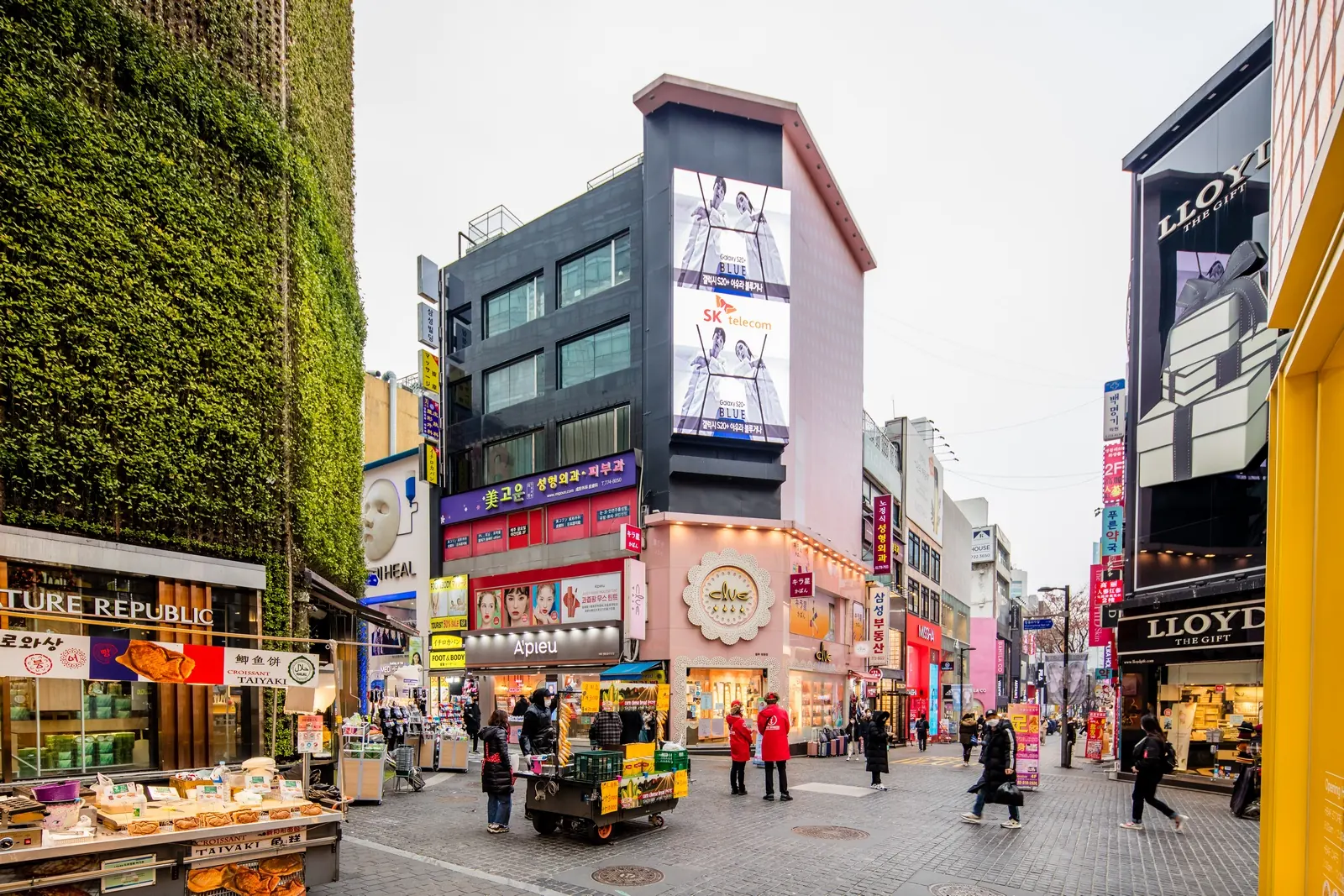
Featured H — Siloam Sauna (the most central jjimjilbang for Myeongdong-area visitors)
Siloam Sauna at 49 Jungrim-ro, Jung-gu, is the most central jjimjilbang option for international visitors based in the Myeongdong tourist quarter or the Seoul Station corridor. The facility is in the Jung-gu west zone, approximately five minutes by taxi from the Myeongdong main shopping strip or an eight-to-ten-minute walk from Seoul Station, and gives the shortest commute to a traditional Korean sauna experience for visitors staying in the central tourist quarter. Operating hours are 24 hours daily. Entry pricing runs approximately KRW 15,000 to KRW 25,000 for a day entry, with overnight surcharge applying for visitors who want to sleep on-site. The facility structure follows the standard Korean jjimjilbang template: a gender-separated bathhouse zone with hot, warm, and cold baths, dry and wet sauna rooms, a gender-mixed sauna lounge with thematic hot-stone rooms (mugwort, ochre, salt, charcoal), a restaurant and convenience corner, and a sleeping zone for overnight visitors. The Korean traditional exfoliation service (sometimes called 'Korean body scrub' in international guides) is available on the bathhouse floors and is one of the defining first-time Korean sauna experiences for international visitors — the protocol involves a full-body scrub by a trained therapist using a coarse mitt and warm water over a roughly 30-to-45-minute session. Siloam carries basic English signage rather than the full multilingual standard of Dragon Hill; first-time international visitors who are uncomfortable navigating Korean-only operating instructions may prefer Dragon Hill, while visitors with previous Korean sauna experience or who specifically want the central Myeongdong-corridor convenience often gravitate toward Siloam. For international medical-tourism visitors who want to fit a 90-minute jjimjilbang stop into a half-day rest plan between treatments in the central Jung-gu corridor, Siloam is the editorial recommendation in this category.
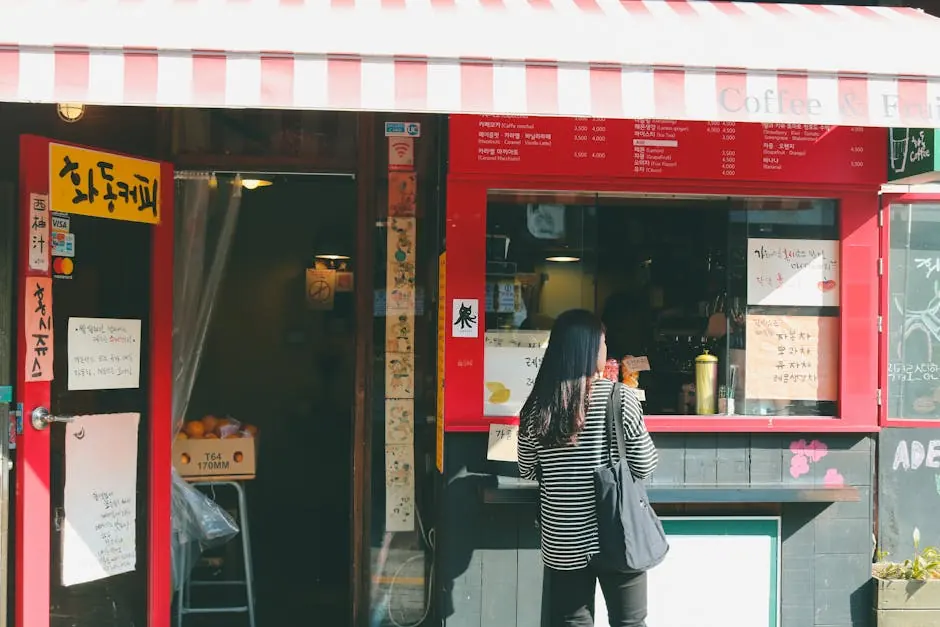
Featured I — Itaewon Land (24-hour jjimjilbang in the international district)
Itaewon Land at 34 Noksapyeong-daero, Yongsan-gu (alternate Naver Place listing: 21 Noksapyeong-daero 40-gil), is the long-running 24-hour jjimjilbang in the Itaewon international district and is one of the most-featured jjimjilbang in English-language Seoul travel guides aimed at international visitors. The Itaewon district itself runs a different cultural-and-restaurant mix from the rest of Seoul, with a long history as the international-community quarter of the city around the US Embassy compound and the broader Yongsan-gu international-residential zone. The jjimjilbang reflects this positioning: the staff and signage carry an international-visitor-friendly standard, the facility runs on a 24-hour daily schedule, and the location at the foot of the Noksapyeong slope is a short walk from the Itaewon Station Line 6 exit. Entry pricing runs approximately KRW 12,000 to KRW 20,000, which is the most accessible price point on this list alongside Dragon Hill and Siloam. The facility structure follows the standard Korean template (gender-separated bathhouse, gender-mixed sauna lounge, restaurant, overnight sleeping zone) with a slightly smaller footprint than Dragon Hill. The English, Mandarin, and basic Japanese support standard is established. The Itaewon location pairs naturally with a walk-around in the Itaewon dining-and-shopping strip before or after the bathhouse visit; the broader Itaewon-Gyeongnidan-Hannam corridor has been the canonical foreigner-friendly Seoul neighbourhood for several decades and remains the area with the highest density of international restaurants, expatriate-community spaces, and import-grocery shops in the city. For international visitors based at Grand Hyatt Seoul (which sits 1.5 kilometres up the same hill in Hannam-dong) and for visitors building an Itaewon-area day, Itaewon Land is the editorial recommendation in this category.
Featured J — Apgujeong recovery-massage studios (post-shopping and post-treatment recovery)
The Apgujeong strip of Gangnam-gu carries the highest density of foreigner-friendly recovery-massage studios in Seoul, with several long-running studios consistently appearing on English-language Seoul travel guides and in Naver Place's foreigner-friendly listings. Three studios in particular have built a recurring international following: The Hanoi Foot & Body in the Apgujeong area runs Vietnamese-style foot and body massage with a long-tenured therapist team (cited as 15-plus year veterans), operating daily 11:00 to 23:00 with the late-night closing schedule that makes it a regular post-shopping or post-dinner recovery stop; pricing runs approximately KRW 60,000 to KRW 150,000 per session. Dia Aesthetics Apgujeong specialises in lymphatic-drainage massage and post-treatment recovery work, and the studio is repeatedly cited as the Apgujeong go-to for visitors recovering from facial aesthetic treatments; operating hours are Monday to Saturday 10:00 to 22:00, with pricing approximately KRW 80,000 to KRW 250,000 per session and advance reservation recommended. Jeongyeon Foot Massage Gangnam runs a 28-year reflexology specialty with a foreigner-friendly menu and a clean professional setting; operating hours are daily 11:00 to 22:00, with pricing approximately KRW 50,000 to KRW 120,000 per session and a 60-to-90-minute programme that fits comfortably between Gangnam shopping and a dinner reservation. All three studios run English-friendly menu service and operate on a reservation-recommended basis rather than a strict-reservation system. The Apgujeong strip itself is bounded roughly by the Apgujeong Rodeo subway station on Suin-Bundang Line, Cheongdam Station, and the Dosan Park triangle — the same compact luxury-shopping triangle that includes the Sulwhasoo flagship spa above. For international medical-tourism visitors specifically recovering from a facial or body aesthetic treatment and wanting a lymphatic-drainage or gentle recovery massage rather than a deep tissue intervention, Dia Aesthetics is the editorial recommendation; for visitors wanting an end-of-day general recovery session, The Hanoi or Jeongyeon work well as a 60-to-90-minute stop.
How we selected this list — editorial methodology
The Visit Korea Medical editorial team built this shortlist by cross-checking four primary sources: the Forbes Travel Guide spa rating register for Seoul (which currently recognises the Guerlain Spa programme at The Shilla Seoul and the broader Forbes-five-star hotel spa standard applied to Four Seasons, Park Hyatt, and Signiel Seoul), the Korea Tourism Organization's official directory at english.visitkorea.or.kr, the Visit Seoul attractions index at english.visitseoul.net, and current Naver Place activity within the last sixty days to filter for operational verification, hours correctness, and pricing transparency. Several jjimjilbang and spa names that appear on widely-shared visitor lists have been excluded because they could not be independently verified as currently operational, and we have noted address corrections where the aggregator-site listings diverged from the venue's actual location — for example, the Spa 1899 main facility is at KT&G Tower B2F in Daechi-dong (416 Yeongdong-daero, Gangnam-gu), not the KT&G corporate-HQ building at Cheonggyecheon-ro that sometimes appears in older listings. We do not publish numerical rankings; the alphabetical Featured A through J ordering is editorial, not preference-based. The list is updated quarterly by our editorial team.
Fitting a wellness spa session into a treatment trip
Most international visitors travelling to Seoul for a four-to-seven-day medical-tourism trip have one to three rest days mixed into the treatment schedule. Our editorial recommendation for first-time visitors is to anchor the rest day around a single primary wellness session rather than stacking multiple spa or jjimjilbang stops in the same day, because the cumulative thermal load of multiple sauna and bathhouse sessions can be more taxing than visitors expect, particularly in the day or two immediately following a facial or injectable treatment. The conservative editorial sequence is: morning rest, midday light meal, 90-to-180-minute spa session (Guerlain, Bisou, Park Club, Sulwhasoo, Whoo, or Spa 1899), afternoon rest, evening light dinner. For visitors specifically recovering from a facial aesthetic treatment, the Apgujeong recovery-massage studios (especially Dia Aesthetics for lymphatic-drainage work) often fit better than a high-temperature jjimjilbang during the first 48 to 72 hours post-procedure, because the thermal load of a 70-to-90-degree-Celsius sauna can interact with post-procedure tissue inflammation. We strongly recommend confirming the spa schedule with the treating clinician's coordinator team before booking, particularly for the jjimjilbang category, as the thermal and humidity loads are sometimes restricted in the immediate post-procedure window for specific aesthetic interventions. The aftercare overview carries the general framework for post-procedure day planning and the treatments overview carries the per-treatment recovery-window context.
Frequently asked questions
Which of these spas are the most accessible for non-Korean speakers?
Bisou Spa at Four Seasons (English, Korean, Japanese, Chinese, Spanish, French, Arabic), Guerlain Spa at The Shilla, Park Club Spa at Park Hyatt, Whoo Spa at Westin Josun, Sulwhasoo Flagship, and Spa 1899 all run full multilingual concierge service. Dragon Hill Spa and Itaewon Land carry English, Mandarin, and Japanese signage; Siloam Sauna carries basic English signage only. The Apgujeong recovery-massage studios run English-friendly menus rather than full multilingual concierge.
Do I need to reserve in advance?
Reservations are required for Guerlain Spa, Bisou Spa, Park Club Spa, Sulwhasoo Flagship, Whoo Spa, and Spa 1899, with weekend bookings ideally confirmed several days ahead. The Apgujeong recovery-massage studios run on a reservation-recommended basis with same-day availability often possible. Dragon Hill Spa, Siloam Sauna, and Itaewon Land are walk-in 24-hour jjimjilbang facilities and do not take reservations.
What is a jjimjilbang exactly?
A jjimjilbang is a Korean traditional sauna and bathhouse complex with a gender-separated wet-bath section, a gender-mixed sauna lounge with thematic hot-stone rooms (charcoal, salt, mugwort, jade), and typically a restaurant, sleeping zone, and rest area. Entry is roughly KRW 15,000 to KRW 25,000 and most operate 24 hours daily. Dragon Hill, Siloam, and Itaewon Land are the three on this list.
What is the Korean body scrub service?
The Korean traditional exfoliation service is a 30-to-60-minute full-body scrub by a trained therapist using a coarse mitt and warm water, available inside the bathhouse section of most jjimjilbang facilities at an add-on fee of approximately KRW 30,000 to KRW 60,000. Dragon Hill Spa, Siloam Sauna, and Itaewon Land all offer the service. First-time international visitors should expect a more vigorous protocol than a Western spa exfoliation.
Which spa is best for recovery after a facial aesthetic treatment?
Dia Aesthetics Apgujeong is the most-cited lymphatic-drainage and post-aesthetic-treatment recovery option in Seoul, with a Monday-to-Saturday 10:00-22:00 schedule. Bisou Spa at Four Seasons and Guerlain Spa at The Shilla also handle post-procedure-aware programmes if discussed at booking. We recommend avoiding the high-temperature jjimjilbang category during the first 48-72 hours after an aesthetic procedure unless the treating clinician has explicitly cleared it.
How do prices compare across these ten spas?
Hotel spa treatments (Guerlain, Bisou, Park Club, Whoo, Sulwhasoo, Spa 1899) run approximately KRW 150,000 to KRW 1,200,000 per session depending on programme tier. Apgujeong recovery-massage studios run approximately KRW 50,000 to KRW 250,000 per session. Jjimjilbang entry runs approximately KRW 12,000 to KRW 25,000 per day, with optional add-ons (Korean body scrub, food, drinks) on top.
Are these spas suitable for couples or for travel with a companion?
Bisou Spa at Four Seasons runs couples-suite layouts with private soaking tubs between treatment beds and is the most-recommended couples-spa option in Seoul. Sulwhasoo Flagship can accommodate two concurrent bookings in adjacent rooms with advance notice. The jjimjilbang category has gender-separated bathhouse zones and gender-mixed sauna lounges, so couples can share the lounge but not the bath zone.
Where do I find separate guides for luxury hotels or for the Myeongdong area specifically?
The luxury hotels guide sits at our hotels guide, the Myeongdong area coverage is in our first-time visitor guide, and the broader Seoul city overview is on the Seoul city page. For clinic-to-spa proximity planning, see our Seoul medical district map.