Editorial Picks
7 luxury hotels that define Seoul hospitality
From the highest hotel in Korea inside Lotte World Tower to a Marriott Luxury Collection property in the Teheran-ro business spine — an editorial picks list for international visitors planning a multi-day Seoul stay.
International visitors arriving in Seoul for medical or wellness travel almost always face the same first decision: where do you actually stay in a city where five-star hospitality is split across three or four distinct neighbourhoods? The honest answer is that Seoul does not have a single luxury hotel quarter the way Tokyo has Marunouchi or Hong Kong has Central. Luxury hotel inventory is distributed across Songpa-gu's vertical Lotte World Tower zone, the Jung-gu heritage corridor anchored on Namsan and Deoksugung, the Gwanghwamun cultural-and-business spine in Jongno-gu, the Teheran-ro business epicentre in Gangnam-gu, and the Dongdaemun shopping-and-design quarter. Each of these districts carries different access logic for a treatment-focused trip — proximity to subway lines, duty-free shopping, palace and museum routes, and the city's two airports. Visit Korea Medical's editorial team built this shortlist by cross-checking the Forbes Travel Guide five-star list for Seoul, the MICHELIN Guide Seoul restaurant and stay registers, and the Korea Tourism Organization's official accommodation directory. We removed properties that did not meet a current Forbes recognition or Marriott Luxury Collection / Hyatt premium-brand standard, and we limited the selection to seven that remain operational and address-verified for international visitors travelling in 2026. For visitors planning a four-to-seven-day Seoul trip with treatment days mixed in, two to three nights at any one of these hotels gives a comfortable rest-day base. The alphabetical Featured A through G ordering below is editorial, not preference-based — we do not publish numerical rankings.
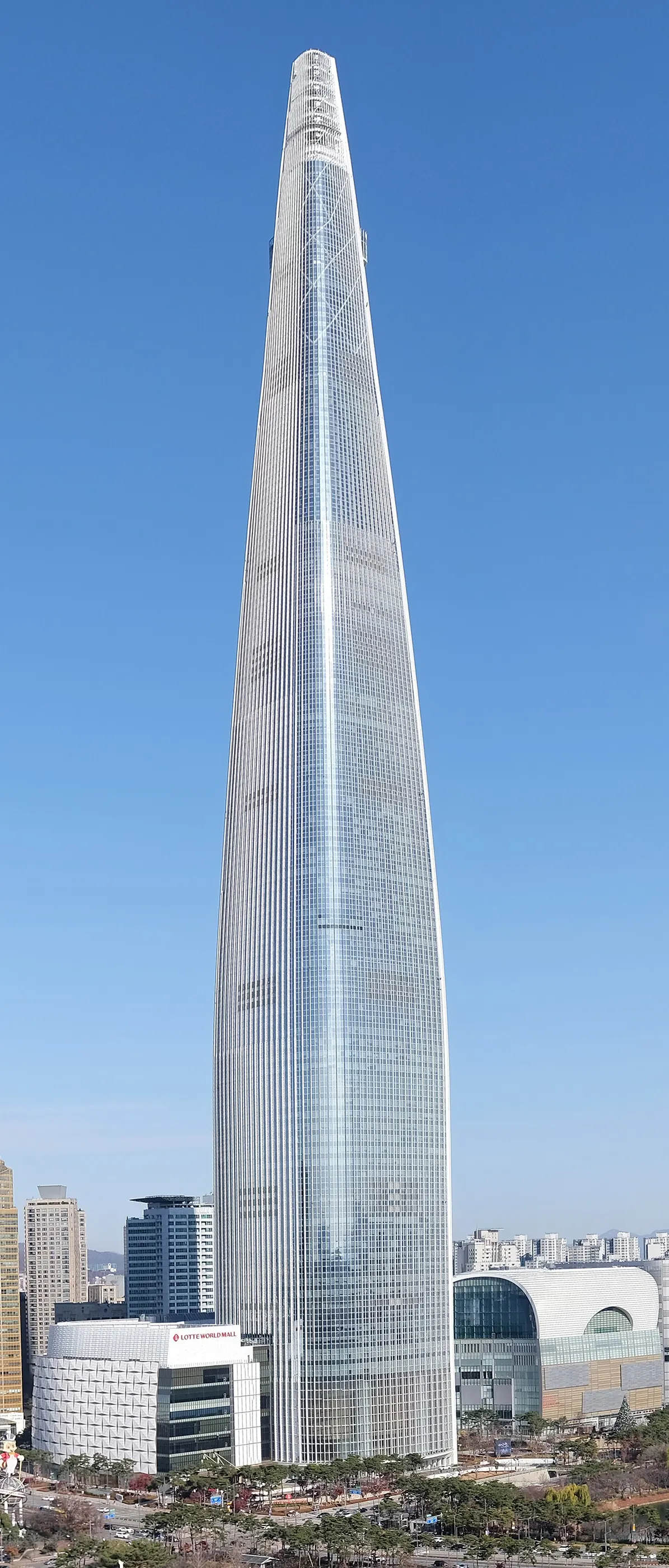
Featured A — Signiel Seoul (the country's highest hotel at Lotte World Tower)
Signiel Seoul occupies floors 76 through 101 of Lotte World Tower at 300 Olympic-ro, Songpa-gu, which makes it the highest hotel in Korea by floor count and one of the most distinctive vertical luxury properties in East Asia. The tower itself is the sixth-tallest building in the world as a single landmark, and the Signiel guest experience is defined by the elevator ride up and the wraparound views of the Han River basin from twenty-six floors of guest rooms and suites. The hotel holds a Forbes Travel Guide five-star rating and houses a two-Michelin-star Stay-classification restaurant within the property, which is the highest dining recognition available outside the Michelin star register itself. The lobby sits on the 76th floor with a south-facing view of the city; the rooftop pool is on the upper-tier floors and is one of the few rooftop pools in Seoul with a complete urban skyline rather than a courtyard view. Rates run roughly KRW 700,000 to KRW 3,000,000 or more per night depending on room category and season, with suite categories running the upper end of the range. The location is in Songpa-gu, on Seoul Metro Line 2 at Jamsil Station, which is roughly thirty minutes by subway or fifteen to twenty minutes by taxi from the central Myeongdong tourist quarter; the trade-off for the world-class views is a slight remove from the central palace and museum quarter. The hotel attaches to the Lotte World Mall and the Lotte World Aquarium at the base of the tower, which gives an integrated shopping and family-activity layer for visitors travelling with companions on treatment days. For international medical-tourism visitors specifically, the property is well-suited to longer stays where the rest-day plan involves on-property dining and pool time rather than daily palace or museum routing, and the multilingual concierge handles English, Korean, Japanese, and Chinese as standard. The Lotte World Tower building itself is a credible photo destination at sunrise or sunset hours independent of the hotel stay; the tower's observation deck on floor 117 (Seoul Sky) sells separate tickets and is open to non-hotel guests.
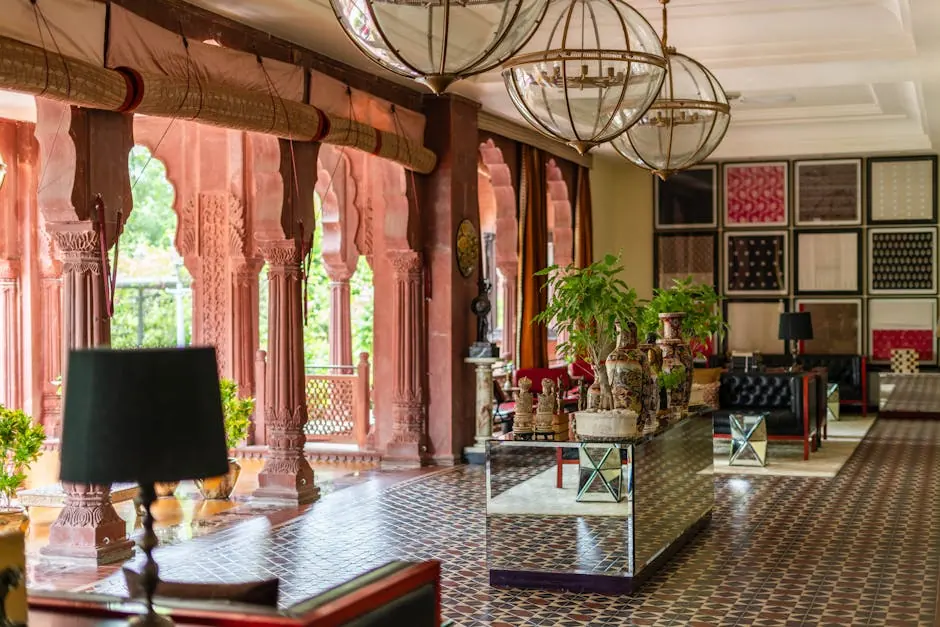
Featured B — The Shilla Seoul (longest-running Forbes 5-star, Namsan setting)
The Shilla Seoul at 249 Dongho-ro, Jung-gu, is Samsung Group's flagship hotel property and the Forbes Travel Guide five-star recognition that has the longest continuous run among Korean hotels — a recognition Shilla has held year after year across the Forbes rating cycle. The property sits on the Namsan-side slope of Jangchung-dong, which gives the hotel a quietly residential setting unusual for a Seoul luxury property, with the urban density of central Seoul kept at one remove behind the immediate hotel garden. The hotel houses La Yeon, a two-Michelin-star Korean hanjeongsik restaurant that is one of the most-recommended royal-cuisine dining experiences in Seoul, and the Guerlain Spa partnership inside the hotel is one of the few Forbes-recognised hotel spa programmes in Korea. The Shilla Duty Free flagship is attached to the hotel building, which gives an integrated shopping layer convenient for visitors making consolidated cosmetics, fashion, and accessory purchases in a single afternoon. Rates run roughly KRW 600,000 to KRW 2,500,000 or more per night, with the executive-floor and suite categories at the upper end. The location is in Jung-gu but is set back from the Myeongdong tourist quarter by a fifteen-minute taxi ride or a roughly twenty-minute subway-and-walk route via the Dongguk University station; the hotel is conventionally accessed by taxi from Myeongdong rather than on foot. The Namsan-side setting pairs naturally with the Seoul N-Tower cable car and the Namsangol Hanok Village on the opposite slope, and the broader Jang-chung area carries a quiet residential atmosphere that several international visitors specifically request as an alternative to the busier Myeongdong or Gangnam hospitality zones. For visitors planning a four-to-seven-day stay with treatment days in central Seoul, Shilla's combination of Forbes recognition, on-property fine dining at La Yeon, and Guerlain-partnership spa programming makes it the canonical heritage-luxury option.
Featured C — Four Seasons Hotel Seoul (Gwanghwamun cultural-business spine)
Four Seasons Hotel Seoul at 97 Saemunan-ro, Jongno-gu, sits on the Gwanghwamun corner of central Seoul and is one of the most internationally recognised hotel openings of the past decade in Korea. The hotel holds a Forbes Travel Guide five-star rating and houses two of Seoul's most-cited bar and dining experiences: Charles H, a 1920s-style speakeasy bar that has appeared on the World's 50 Best Bars list, and Yu Yuan, a one-Michelin-star Cantonese restaurant that is one of the highest-rated Chinese dining experiences in the city. The location is at the western anchor of the Gwanghwamun corridor, with the Sejong Centre for the Performing Arts, the National Palace Museum of Korea, and Gyeongbokgung Palace all within a fifteen-minute walking radius. The dual cultural-and-business positioning makes Four Seasons a particularly strong fit for international visitors splitting time between a treatment day, a cultural-itinerary day at the palaces, and an evening business or social engagement in the Gwanghwamun area. Rates run roughly KRW 700,000 to KRW 2,500,000 or more per night, with suite categories above the upper bound. The multilingual concierge handles English, Korean, Japanese, Chinese, Spanish, French, and Arabic — the broadest language coverage on this list, which reflects the hotel's positioning toward an internationally diverse business-and-leisure mix. Subway access is via Gwanghwamun Station on Line 5 and Seoul Station on Line 1, with Gyeongbokgung Station on Line 3 a five-minute walk on the same boulevard. The hotel's spa programme runs as Bisou, the Four Seasons in-house brand, with couples suites and a private soaking-tub layout that several international visitors specifically book as a post-treatment recovery day. For international medical-tourism visitors who want a central, internationally-fluent property within walking distance of the cultural quarter, Four Seasons is the editorial recommendation in the Jongno-gu zone.
Featured D — Josun Palace, a Luxury Collection Hotel (Gangnam Teheran-ro business epicentre)
Josun Palace at 231 Teheran-ro, Gangnam-gu, is the Marriott Luxury Collection property that anchors the Gangnam business corridor on Teheran-ro and is the canonical five-star recommendation for international visitors who want to base themselves in the Gangnam business and shopping district rather than the central palace quarter. The hotel sits at Yeoksam Station on Seoul Metro Line 2 in the Teheran-ro business spine that runs east-west through the heart of Gangnam-gu, with COEX, Bongeunsa Temple, and Apgujeong's luxury fashion strip all within a ten-to-fifteen-minute taxi or subway ride. The Marriott Luxury Collection brand position carries Forbes recognition and a Bonvoy elite-status integration that is meaningful for visitors with Marriott loyalty programme membership; this is one of the most loyalty-programme-friendly luxury options on the list. Rates run roughly KRW 500,000 to KRW 1,800,000 or more per night, with the executive and suite categories running the upper end of the band. The hotel's design language carries a contemporary Korean-luxury palette that several international architecture and interior design publications have profiled, with a particular emphasis on Korean ceramic and lacquer references in the room and public-space styling. Subway access is direct at Yeoksam Station on Line 2, with same-line connections east to Samseong (COEX) and west to Gangnam Station; the Gangnam Station shopping concourse is one subway stop away. For international medical-tourism visitors whose treatment clinic or hospital base is in the Gangnam district, this property gives the shortest commute time and the most integrated business-district hospitality experience among the five-star options on this list. The Teheran-ro location also positions the hotel near the major Gangnam corporate towers and the Samseong-dong COEX convention complex, which is helpful for visitors combining treatment with conference or business meetings during the same trip.
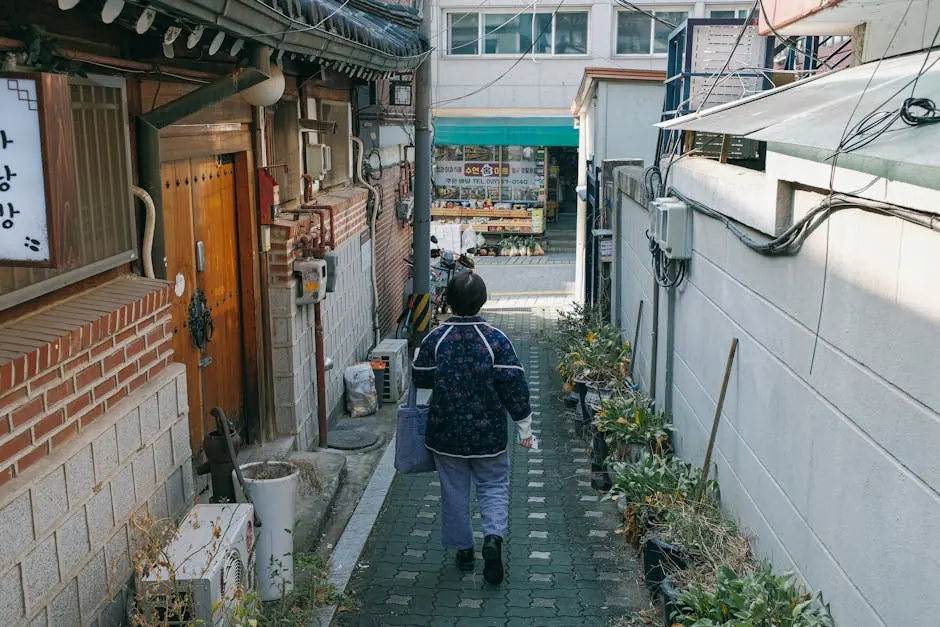
Featured E — Grand Hyatt Seoul (Namsan-side resort-style setting in Hannam-dong)
Grand Hyatt Seoul at 322 Sowol-ro, Yongsan-gu, occupies a villa-like resort setting on the Namsan-side slope of Hannam-dong and is the most resort-style luxury property in central Seoul. The hotel sits on extensive grounds that include a seasonal outdoor swimming pool that converts to an ice rink in winter — one of the most photographed hotel features in Seoul during the December-to-February months — and the property has a low-rise, garden-integrated layout that contrasts with the vertical Lotte World Tower or Park Hyatt formats. The dining programme is anchored by The Steakhouse for Western steak cuisine and Tengu for Japanese sushi, both of which run as long-standing reference restaurants in the Seoul hotel-dining scene. The location is in Yongsan-gu adjacent to the Itaewon international district, the United States Embassy compound, and the Hannam-dong residential quarter; this geographic position has made the hotel a long-running diplomatic and international-business preference, and the property is conventionally one of the first picks for international guests of the US Embassy and the Yongsan-area diplomatic missions. Rates run roughly KRW 450,000 to KRW 1,600,000 or more per night. The hotel is roughly fifteen minutes by taxi from the Myeongdong tourist quarter and ten minutes from the Itaewon dining and shopping strip, with subway access via Itaewon Station on Line 6 a short downhill walk away. The Namsan-side garden setting and the seasonal pool-to-rink conversion make Grand Hyatt a particularly strong fit for international medical-tourism visitors travelling with family members or companions who want a resort-style on-property layer rather than an urban high-rise experience. For visitors who specifically want the resort-feel layer of a Seoul stay rather than the central-business or palace-quarter layer, Grand Hyatt is the editorial recommendation on this list.
Featured F — Park Hyatt Seoul (vertical minimalist design at COEX)
Park Hyatt Seoul at 606 Teheran-ro, Gangnam-gu, sits directly at Samseong Station on Seoul Metro Line 2 and is the canonical vertical-design luxury hotel in Korea. The property uses an inverted-format layout in which the lobby sits on the 24th floor rather than the ground level, with guest rooms running below and a top-floor pool and spa above; the design has been profiled in multiple international architecture publications and is one of the most-photographed hotel interiors in Asia. The minimalist Asian design palette is the property's most defining feature, with a heavy emphasis on natural materials, restrained lighting, and a contemplative spatial logic that contrasts with the more decorative palette of the heritage Seoul properties. The hotel attaches directly to the COEX convention complex and the Bongeunsa Temple compound across the boulevard, which positions it as the most natural luxury base for international visitors combining treatment with a business conference, an art fair (Frieze Seoul and KIAF run at COEX in September), or a Bongeunsa cultural-visit day. The Park Club Spa runs as a Forbes-recognised programme with a 24th-floor sky pool overlooking the COEX rooftop and the Bongeunsa temple compound; this is one of the few hotel spa programmes in Korea with a genuine urban-skyline pool. Rates run roughly KRW 500,000 to KRW 1,800,000 or more per night. Subway access is direct at Samseong Station on Line 2 with no required walk between the subway exit and the hotel entrance, which is an unusual access standard for a Seoul luxury hotel. For international medical-tourism visitors who place a particular premium on architectural and design experience as part of the stay layer, and whose treatment clinic base is in the Gangnam or Samseong-dong corridor, Park Hyatt is the editorial recommendation in the Gangnam zone for design-conscious travellers.
Featured G — JW Marriott Dongdaemun Square Seoul (Dongdaemun shopping-and-design corridor)
JW Marriott Dongdaemun Square Seoul at 279 Cheonggyecheon-ro, Jongno-gu, occupies a curved facade directly across from Heunginjimun Gate (the eastern gate of the historic Seoul city wall, also known as Dongdaemun) and adjacent to the Dongdaemun Design Plaza by architect Zaha Hadid. The hotel is the only five-star Marriott Bonvoy property in the Dongdaemun shopping-and-design quarter and is the canonical luxury option for visitors whose itinerary centres on the Dongdaemun night-market shopping cycle, the fabric and accessory wholesale district, or the regular DDP exhibition and design-fair programme. The location places it on a different axis from the central palace quarter and the Gangnam business spine, with a uniquely Korean architectural setting — the rooms with east-facing windows give a direct view of the 600-year-old Heunginjimun stone gate against the modern silhouette of the curved DDP roof, which is one of the most photographed hotel views in Seoul among the international architecture and design press. Rates run roughly KRW 400,000 to KRW 1,200,000 or more per night, which makes JW Marriott the most accessible five-star price point on this list. The Marriott Bonvoy loyalty integration is identical to the Josun Palace listing — both properties run under the Marriott umbrella and pool toward the same Bonvoy elite tier. Subway access is at Dongdaemun Station on Line 1 and Line 4, with the metro station's exit 9 less than a minute from the hotel entrance, and Dongdaemun History & Culture Park Station on Lines 2, 4, and 5 a five-minute walk in the opposite direction. The Dongdaemun area runs a near-24-hour shopping cycle in the wholesale fashion buildings (Migliore, Doota Mall, Hello apM) that is unusual for central Seoul; visitors arriving on a late evening flight often appreciate the on-property convenience for late-night shopping access. For international medical-tourism visitors whose itinerary involves the Dongdaemun textile or accessory wholesale circuit (common among visitors combining treatment with a buying trip) or a DDP exhibition visit, JW Marriott is the editorial recommendation in this quarter.
Cross-reference — additional Myeongdong-area luxury and upper-midscale picks
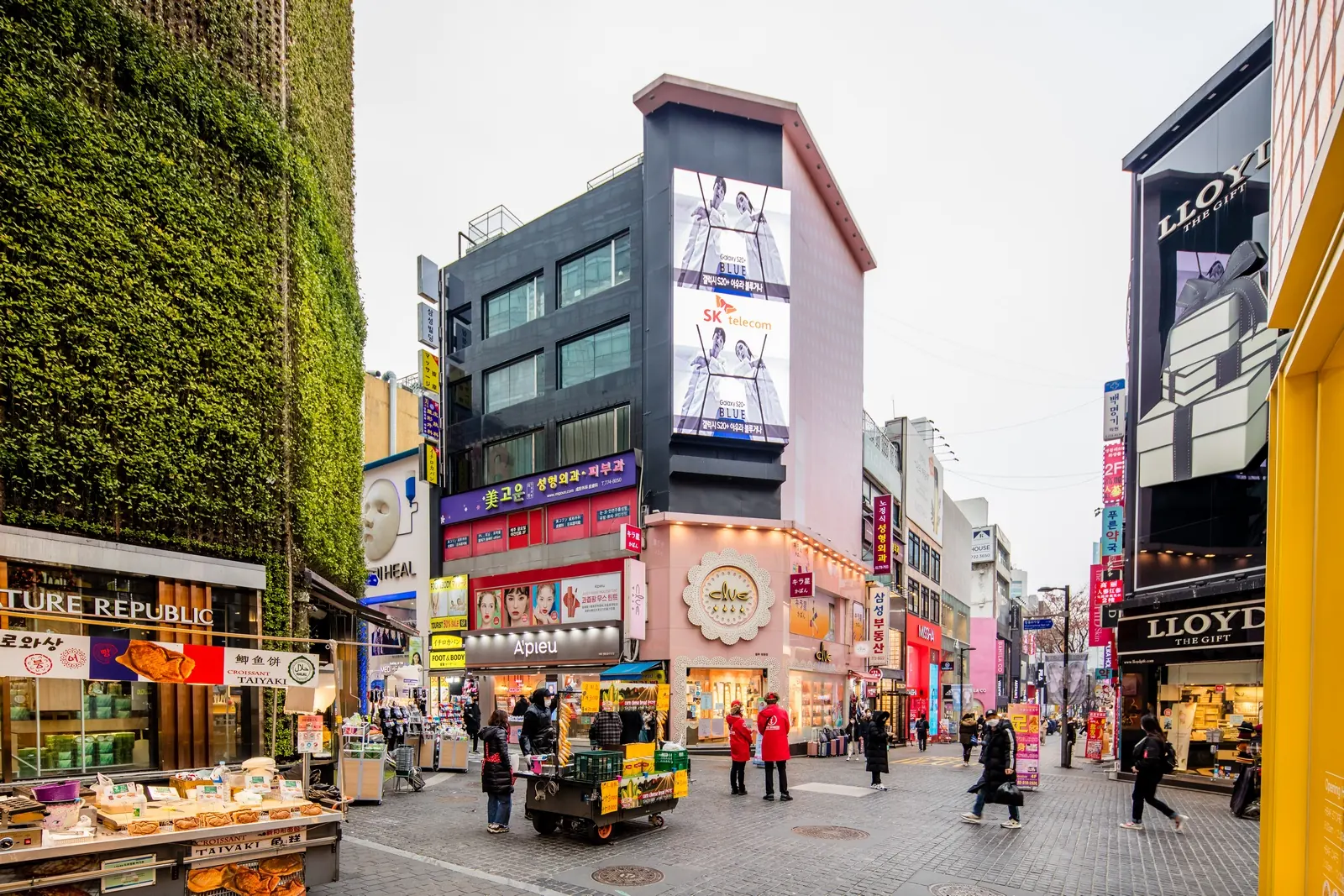
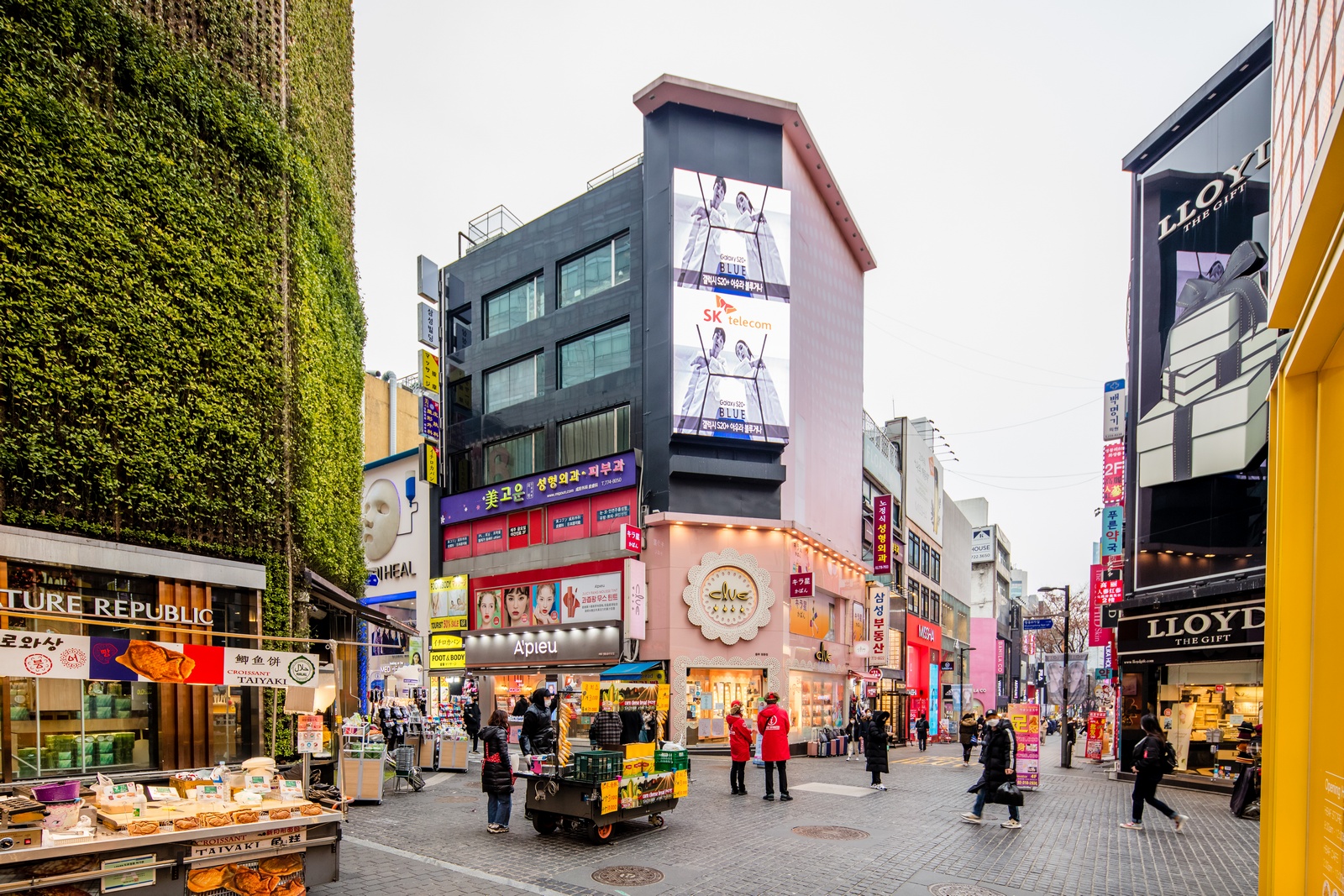
For international visitors who want a base in or immediately adjacent to the Myeongdong tourist quarter rather than the seven citywide picks above, our editorial team also tracks several additional Myeongdong-zone properties that meet a credible luxury or upper-midscale standard. The Westin Josun Seoul at 106 Sogong-ro, Jung-gu, has operated as one of Korea's oldest continuously running hotels since 1914 and is the heritage-luxury option directly adjacent to the Myeongdong shopping strip; the property runs Marriott Bonvoy elite-status integration similar to Josun Palace and JW Marriott Dongdaemun. The Westin's longevity in the central tourist quarter makes it the canonical Myeongdong heritage pick for international visitors who want to combine a deep central-Seoul setting with a global brand programme. Lotte Hotel Seoul at 30 Eulji-ro, Jung-gu, is the Lotte Group's flagship hotel and attaches directly to the Lotte Department Store main branch and Lotte Duty Free flagship, which makes it the single most shopping-integrated luxury option in the central tourist quarter. For international visitors specifically prioritising consolidated duty-free and department-store shopping on a one or two-day window inside Seoul, Lotte Hotel Seoul gives the shortest walk from a luxury bed to a Chanel, Hermes, or LVMH duty-free counter on the same property. The Plaza Seoul, Autograph Collection at 119 Sogong-ro, Jung-gu, is the boutique-luxury Marriott property directly facing Seoul Plaza, Deoksugung Palace, and the City Hall building — a setting that several international visitors describe as the most photogenic from the room window. The Plaza's compact room count and Autograph Collection design positioning make it a particularly strong fit for international couples or repeat Seoul visitors who already know the central tourist circuit. L7 Myeongdong at 137 Toegye-ro is Lotte's lifestyle sub-brand option positioned at the southern edge of Myeongdong, suitable for visitors who want the Lotte service standard at an upper-midscale price point rather than the full Lotte Hotel Seoul flagship rate. Solaria Nishitetsu Hotel Seoul Myeongdong at 27 Myeong-dong 8-gil, Jung-gu, is a Japan-headquartered brand with a particular following among Japanese visitors and a Myeongdong-main-street flagship position; the property is a regular pick for visitors using Korean Air or ANA / JAL routing from Tokyo Narita, Tokyo Haneda, or Osaka Kansai. Nine Tree Premier Hotel Myeongdong II at 28 Myeongdong 8-gil, Jung-gu, is a Korean upper-midscale chain property on the Myeongdong main street that gives strong location value at a midscale price point. Sejong Hotel Seoul Myeongdong at 145 Toegye-ro is a long-running independent property directly above Myeongdong Station Exit 10, with one of the longest operating histories among Myeongdong hotels and recognition across multiple international guidebooks. Hotel Skypark Central Myeongdong at 16 Toegye-ro 12-gil is the representative midscale option for visitors prioritising location over luxury, with consistent recognition in budget-conscious central-Seoul stay coverage. For complete Myeongdong-area accommodation coverage, see our Myeongdong area guide. For visitors planning their first Seoul trip and deciding between the central tourist quarter and the Gangnam business district, our first-time visitor guide carries the broader district-level orientation.
How we selected this list — editorial methodology
The Visit Korea Medical editorial team built this shortlist by cross-checking three primary sources: the Forbes Travel Guide hotel ratings for Seoul (which currently recognise Signiel Seoul, The Shilla Seoul, Four Seasons Hotel Seoul, and the Park Hyatt Seoul spa programme), the MICHELIN Guide Seoul restaurant register (which identifies hotel-housed Michelin-rated dining experiences such as La Yeon at Shilla and Yu Yuan at Four Seasons), and the Korea Tourism Organization's official accommodation directory at english.visitkorea.or.kr. We then cross-checked each listing against current Booking.com and Naver Place activity within the last sixty days to filter for operational verification, room availability, and address correctness. Several properties that appear on widely-shared visitor lists have been excluded because they did not meet our Forbes / Luxury Collection / Hyatt premium-brand criterion or because their reservation system showed operational irregularities during our review window. The seven properties listed are all Forbes-recognised, Marriott Luxury Collection, or Hyatt premium-brand five-star hotels with verified 2026 operating status; the alphabetical Featured A through G ordering is editorial, not preference-based. We do not publish numerical rankings — readers asking which hotel is 'number one' are pointed to the methodology context above so that they can apply their own ranking weight based on neighbourhood (palace quarter vs. business district vs. shopping quarter), in-house dining recognition, spa programme, and loyalty-programme integration. The list is updated quarterly by our editorial team.
Fitting a luxury hotel stay into a treatment trip
Most international visitors travelling to Seoul for a four-to-seven-day medical-tourism trip will spend two to four nights in their chosen hotel and one to three nights either on travel days or in transitional accommodation closer to the treatment clinic. Our editorial recommendation for first-time visitors is to anchor the hotel choice around the treatment clinic's neighbourhood: for clinics in the central Jung-gu and Jongno-gu quarter, The Westin Josun, Four Seasons, or The Plaza are within walking or short taxi distance; for clinics in the Gangnam-gu business spine, Josun Palace, Park Hyatt, or Signiel Seoul give the shortest commute; for clinics serving international visitors via Incheon Airport, JW Marriott Dongdaemun's proximity to the airport-railway terminus at Seoul Station is one of the closer five-star options. For visitors with treatments that involve facial swelling, mild redness, or post-procedure dietary guidance, we recommend confirming with the treating clinician's coordinator team what hotel amenities will be most useful — properties with on-property fine dining (Shilla, Four Seasons, Signiel) often work better than properties with primarily external-dining expectations, and properties with on-property spa programming (Shilla, Park Hyatt, Four Seasons) allow recovery-day routines without leaving the hotel. Visitors travelling with a companion who plans to shop or sightsee while the patient rests are particularly well-served by Lotte Hotel Seoul (duty-free attached), Signiel Seoul (Lotte World Mall attached), and JW Marriott Dongdaemun (DDP and night-market attached) — these properties give the non-patient companion a structured on-property or immediately-adjacent day plan during the recovery hours. The aftercare overview carries the general framework for post-procedure day planning and is the cross-reference for visitors building a treatment-and-rest itinerary.
Booking patterns and rate-cycle notes for international visitors
Seoul's luxury hotel rates run on a clear seasonal cycle that international visitors should account for when planning a treatment trip. Peak rate windows are the cherry-blossom bloom in early April, the Korean Children's Day cluster (early May), the autumn-foliage window across mid-October to early November, and the Lunar New Year and Chuseok Korean holiday cycles (variable dates, January-February and September-October respectively). During these peak windows the seven hotels above can run thirty to sixty percent above their floor rates, and suite availability becomes limited two to three weeks before arrival. Off-peak windows that give the most favourable booking value are the late-January to mid-February shoulder (excluding Lunar New Year), the mid-June to late-August summer rainy and humid window (when the major Korean domestic travel demand shifts to Jeju Island and Busan), and the early-December pre-Christmas window. For visitors building a treatment-trip itinerary, the late-October to early-November autumn window is often the most comfortable weather-wise but also the most expensive; the late-March to early-April pre-cherry-blossom window and the early-September pre-Chuseok window are the editorial sweet spots that pair good weather with mid-cycle rates. For loyalty-programme integration: Marriott Bonvoy covers Josun Palace, The Plaza, JW Marriott Dongdaemun, RYSE Autograph, and The Westin Josun; World of Hyatt covers Park Hyatt and Grand Hyatt; the Lotte Hotels Rewards programme covers Signiel, Lotte Hotel Seoul, and L7 Myeongdong; Shilla Hotels runs an in-house programme; and Four Seasons is the only property in this set without a chain loyalty programme, instead leveraging the Four Seasons Preferred Partner programme through participating travel agencies. International visitors with significant Bonvoy or Hyatt status often consolidate stays inside their loyalty umbrella, which can shift the editorial recommendation toward Josun Palace or Park Hyatt depending on programme allegiance.
Frequently asked questions
Which of these hotels are most central for first-time Seoul visitors?
Four Seasons Hotel Seoul (Gwanghwamun) and The Westin Josun (next to Myeongdong) are the most central for first-time visitors who plan to walk to palaces, museums, and the Myeongdong shopping quarter. The Plaza Seoul faces Deoksugung and City Hall directly. Signiel Seoul, Josun Palace, and Park Hyatt are central to the eastern Gangnam district, which is a different orientation from the palace quarter.
Do all seven hotels have English-speaking staff and multilingual concierge?
Yes. All seven hotels run English, Korean, Japanese, and Chinese concierge service as standard. Four Seasons Hotel Seoul has the broadest language coverage on this list and additionally handles Spanish, French, and Arabic. Visitors who prefer to be served in Japanese specifically often gravitate to Solaria Nishitetsu (see cross-reference section) due to its Japanese brand heritage.
Which hotels have a Michelin-rated restaurant on-property?
The Shilla Seoul houses La Yeon, a two-Michelin-star Korean hanjeongsik restaurant, and Four Seasons Hotel Seoul houses Yu Yuan, a one-Michelin-star Cantonese restaurant. Signiel Seoul holds a two-star MICHELIN Stay classification recognising the hotel's broader dining programme. The other four properties on the list run highly-regarded but non-Michelin-rated restaurants.
How do the prices compare across these seven hotels?
Entry-level rates range from approximately KRW 400,000 per night (JW Marriott Dongdaemun) to KRW 700,000 per night (Signiel Seoul, Four Seasons). Suite categories run from KRW 1,200,000 (JW Marriott Dongdaemun) up to KRW 3,000,000 or more (Signiel Seoul's upper suites at the top of Lotte World Tower). Prices vary seasonally with peak rates during May, October, and major Korean holiday cycles.
Which hotels have a spa programme on-property?
Five of the seven hotels run on-property spa facilities. Shilla houses the Guerlain Spa, Park Hyatt runs the Park Club Spa with a 24th-floor sky pool, and Four Seasons operates Bisou Spa. Signiel and JW Marriott Dongdaemun run hotel-brand wellness programmes. For a broader citywide wellness day-spa overview, see our wellness spa guide.
Which hotel is best for visitors arriving from Incheon Airport?
All seven hotels are accessible from Incheon Airport via the airport limousine bus or the AREX airport-railway line. JW Marriott Dongdaemun and Four Seasons are the most direct from the Seoul Station AREX terminus. Signiel Seoul and Park Hyatt are roughly 60-70 minutes from Incheon Airport by car, longer in peak traffic. For airport pickup planning, see our airport pickup guide.
Are these hotels suitable for family travel with companions on treatment days?
Yes. Grand Hyatt Seoul (resort-style grounds with seasonal pool / ice rink) and Signiel Seoul (Lotte World Mall integration with the Lotte World Aquarium one floor down) are particularly well-suited to family travel with companions who need on-property activity layers. Park Hyatt and Four Seasons run smaller-scale family programming and are better fits for adult-companion travel.
Where do I find separate guides for Myeongdong-area accommodation or for the Gangnam business district?
Myeongdong-area hotel coverage is in the cross-reference section above and a fuller area treatment in our first-time visitor guide. For Gangnam clinic-and-hotel proximity planning, see our Seoul medical district map which carries the clinic-cluster overlay against the hotel-zone map. The full city-level itinerary frame is on the Seoul city guide.